What is sensorless motor control and why does it matter?

Quicklinks
Electrification is changing the way machines are designed. More equipment is moving away from combustion engines, hydraulic only systems or cable powered solutions. Instead, manufacturers are developing compact, battery powered machines that still need to deliver strong, stable and efficient performance. That shift puts more pressure on the motor controller.
In applications such as forestry equipment, agricultural machinery, mobile tools and hydraulic pump systems, the controller has to do more than start and stop a motor. It must manage torque, speed, efficiency and load changes while operating in wet, dirty or vibrating environments. This is where sensorless motor control becomes relevant.
What is sensorless motor control?
In many electric motor systems, sensors are used to detect the position of the rotor. This information helps the controller decide how to drive the motor.
Sensorless motor control takes a different approach. Instead of depending on a separate position sensor, the controller uses electrical signals from the motor itself. With advanced algorithms, it estimates the rotor position and controls the motor based on that information.
Sensorless control is often used in brushless motor control systems where precise, efficient and reliable motor behavior is needed without adding extra sensor components.
For engineers, the benefit is clear. Fewer separate sensor components can mean fewer cables, fewer connectors and fewer parts that need protection inside the machine.
That is especially valuable in equipment that is used outside the lab, outside the factory and under real working conditions.
In demanding applications, every component has to justify its place in the system. Sensorless control helps reduce complexity while still supporting precise and stable motor performance.
Eric Besselink, Hardware Engineer Kendrion 3T
Sensorless vs. sensored motor control: what is the difference?
| Topic | Sensored motor control | Sensorless motor control |
| Rotor position detection | Uses a separate sensor to measure rotor position | Estimates rotor position using electrical signals from the motor |
| System complexity | Needs extra sensor components, cables and connectors | Can reduce the number of separate components |
| Integration | More parts need to be fitted and protected inside the machine | Can support a more compact system design |
| Reliability in harsh environments | Sensors and connectors may need extra protection | Fewer exposed parts can help reduce failure risks |
| Best fit | Useful when direct position feedback is required | Useful when compact, robust and efficient control is important |
Both approaches can be technically valid. The right choice depends on the application. In demanding battery powered equipment, sensorless motor control can be valuable because it supports a simpler and more robust system design while still enabling stable motor performance.
Why sensorless motor control matters for battery powered equipment
Battery powered equipment brings a different design challenge. The available energy is limited, but users still expect strong performance, fast response and long runtime.
That means the motor controller has a direct impact on the complete product experience. If the controller is inefficient, battery runtime drops. If it cannot handle dynamic loads, performance becomes unstable. If it is not robust enough, reliability becomes a risk in the field.
This is why electrification is not only about replacing the power source. It also requires smart control of energy, torque and motor behavior.
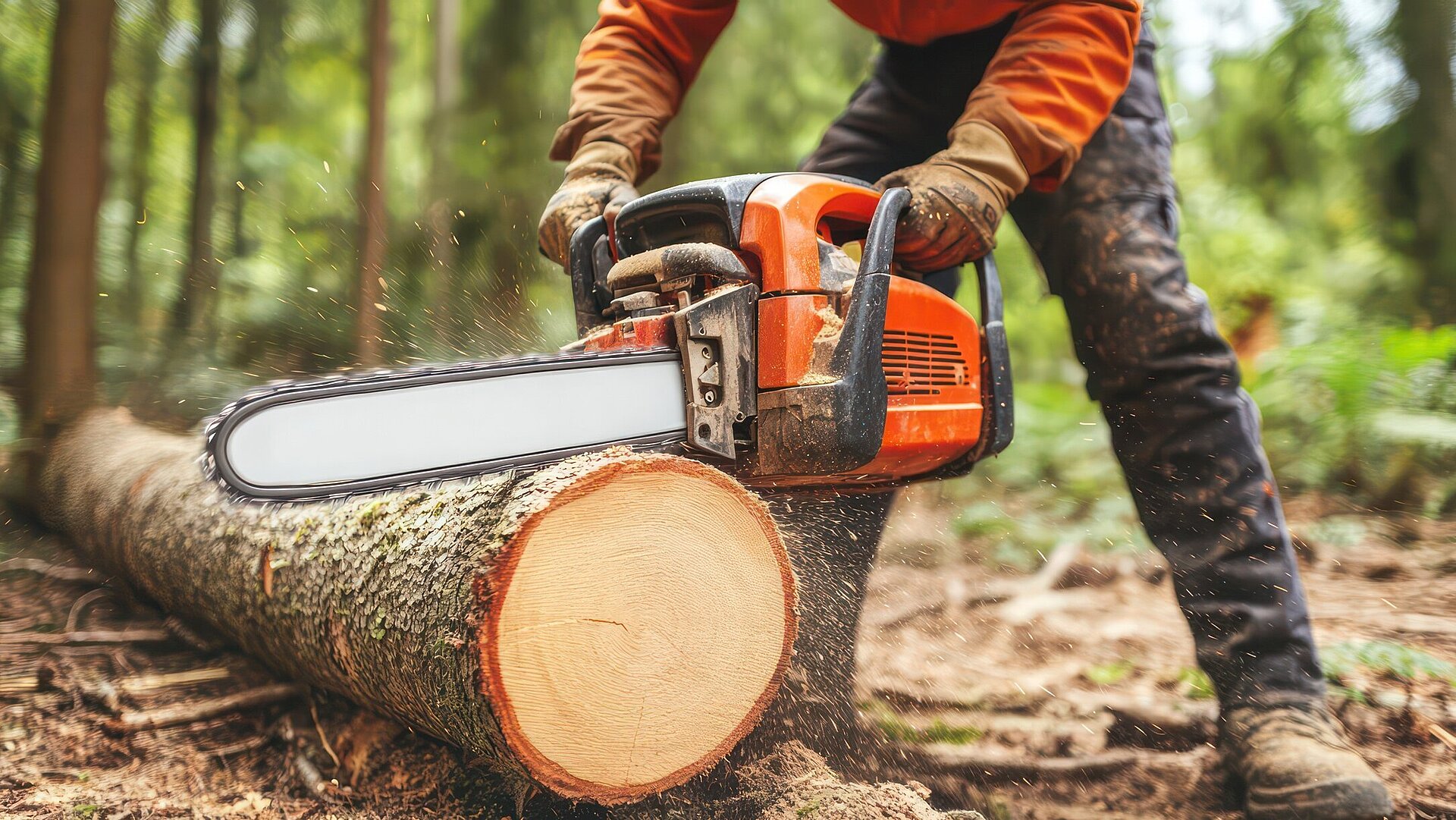
For forestry and agricultural equipment, this can make a major difference. A chainsaw, wood splitter, winch, sprayer or battery powered hydraulic system does not operate under one simple condition. Loads change. The environment changes. The available battery energy changes.
The motor control platform must be ready for that.
Why standard controllers can become limiting
A standard off the shelf motor controller can be a good choice for simple applications. But in demanding equipment, the limits can show quickly.
Low cost standard controllers are often designed for broad use. That can make them less suitable when the application needs a specific fit, high peak performance, strong startup behavior or stable control under changing loads.The issue is not only whether the motor runs. The real question is whether the complete system keeps performing when the load changes, the battery level drops or the environment becomes harsh.
For example, a hydraulic pump system may need high torque at startup and stable control during variable load operation. A battery powered tool needs efficient energy use to protect runtime. Mobile machinery needs compact electronics that fit into the product design without creating extra integration problems.
In these cases, a fixed standard controller can force design compromises.
Benefits of VIPER as a high efficiency motor controller
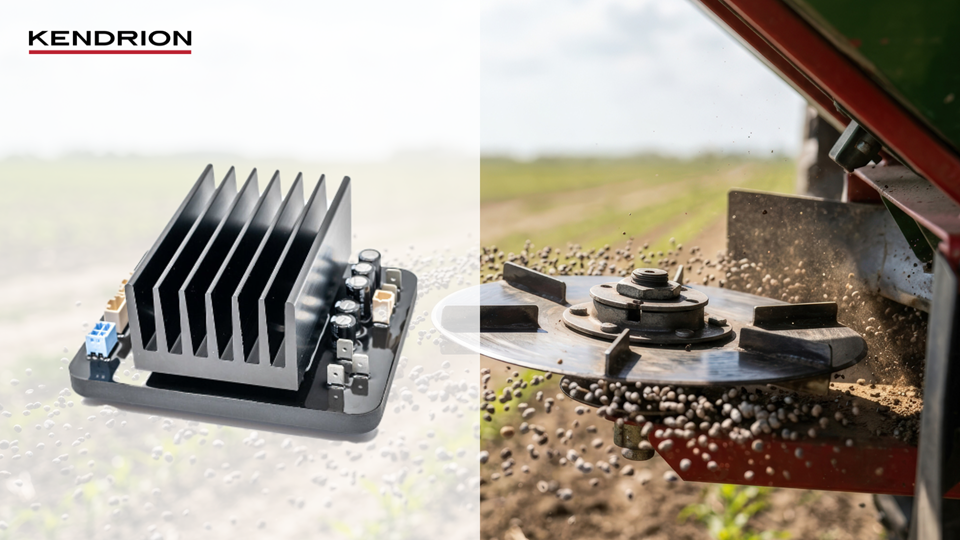
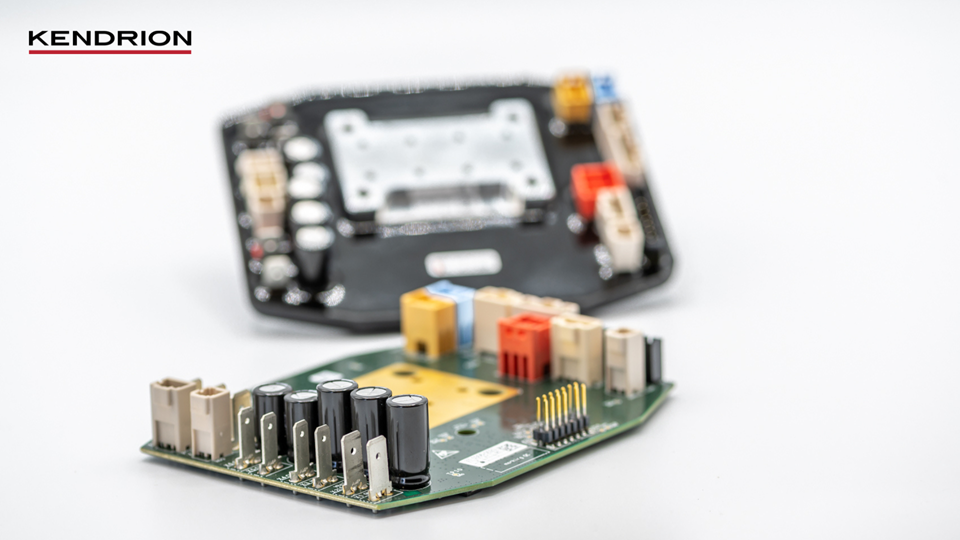
VIPER Motor Control is developed by Kendrion 3T for battery powered systems and demanding environments. It combines sensorless motor control, advanced algorithms and robust hardware in one customizable platform.One of the main benefits is its ability to support high dynamic loads. This matters when equipment needs strong startup performance, short term power boosts or stable operation under changing load conditions.
Another key benefit is efficiency. In battery powered equipment, efficient control directly supports longer runtime and better productivity. VIPER is designed for high efficiency motor control and is optimized for 12V to 48V battery powered systems.
The rugged design also matters. VIPER uses fully potted IP54 hardware, designed to help protect the electronics against dust, water splashes and vibration. For outdoor equipment, this is not a small detail. It can be the difference between a controller that works in a clean test setup and a controller that keeps working in the field.
Where VIPER makes the difference
VIPER is especially relevant when performance, efficiency and reliability all matter at the same time.In forestry and agricultural equipment, it supports the electrification of tools and machines that work in rough outdoor conditions. Think of chainsaws, wood splitters, winches, sprayers and battery powered hydraulic systems.
In hydraulic pump systems, VIPER supports hydraulic pump motor control for demanding load behavior, from high pressure startup to variable load operation.In mobile machinery and battery powered tools, the platform supports compact integration, efficient energy use and stable motor behavior.The common factor is simple: these are not easy operating conditions. They require motor control that is designed around the application, not only around the motor.
Why customization matters
Every application has its own limits. Space, voltage, power, load behavior, communication needs and safety requirements can all be different.That is why customization is an important part of VIPER. The platform can be adapted to product design, space constraints and performance requirements. This gives engineers more freedom to build the right system instead of working around the limits of a generic controller.
For technical managers and R&D teams, this can reduce design compromises. For procurement, it also gives a clearer technical reason why a standard low cost controller may not be the best long term choice.The lowest component price is not always the lowest system cost. If a controller creates integration problems, limits performance or increases failure risk, the total impact can be much higher.
Reliable performance starts with the right control platform
Sensorless motor control is not only about removing a sensor. It is about using smart control to make electric motor systems simpler, more robust and better suited for real world conditions.As electrification continues, battery powered equipment will need motor controllers that can handle dynamic loads, protect runtime and keep performance stable in harsh environments.That is where VIPER adds value. It brings together sensorless control, high efficiency, rugged hardware and customization in one motor control platform.
You want to learn more about VIPER Motor Control and how it can fit your application? Book a meeting with our VIPER experts now!
Turn dynamic loads intoreliable performance with VIPER Motor Control!